Home
Home About Us
 Become a Subscriber

 Flight Booking
 Hotel Booking
 Trip Booking
 Visa Booking
 Booking History
 Blogs
Blogs
 Wishlist
 Support
 Log In



 14 Oct 2026
 0
0 Asma
Asma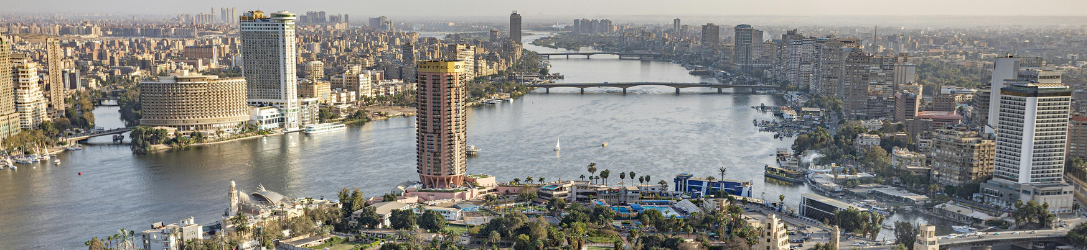
Cairo Travel Guide: Best Things to Do, Historic Places & Travel Tips
Some cities are famous for what they once were. Cairo is remarkable because its past is still part of everyday life. Ancient monuments stand on the edge of a modern metropolis, historic mosques rise above busy streets, and traditional bazaars continue to trade in spices, jewellery, lanterns and handcrafted treasures.
For Pakistani travellers, Cairo offers a particularly meaningful combination of experiences. You can explore the civilisation of the Pharaohs, visit landmarks associated with centuries of Islamic scholarship, enjoy a food culture where halal choices are widely available, and experience the warmth and energy of an Arab capital.
The Pyramids of Giza may be the reason you first consider visiting, but they are only the beginning. This Cairo travel guide explores the city's ancient wonders, cultural neighbourhoods, religious heritage and practical travel essentials to help you plan a memorable trip. Before planning your trip compare routes from Islamabad, Karachi, and Lahore.
Why Cairo Deserves More Than a Quick Stop
Cairo rewards travellers who look beyond its most famous landmark. Its appeal comes from the contrast between different eras and ways of life.
One morning, you could stand before monumental pyramids built thousands of years ago. Later, you might walk through the narrow streets of Islamic Cairo, admire historic architecture, browse a traditional market or watch boats move along the Nile at sunset.
The city also offers:
- Ancient Egyptian history: Explore the Pyramids of Giza, the Great Sphinx and world-famous archaeological collections.
- Islamic heritage: Discover Al-Azhar Mosque, historic streets and the architectural landmarks of Islamic Cairo.
- Traditional shopping: Browse Khan el-Khalili for lanterns, perfumes, jewellery, spices and souvenirs.
- Halal-friendly dining: Sample Egyptian favourites such as koshari, ful medames, kofta and falafel.
- River experiences: Enjoy a traditional felucca ride on the Nile.
- A lively urban atmosphere: Experience cafés, street food, local neighbourhoods and the everyday rhythm of Egyptian life.
For first-time visitors, three to four days is a practical starting point for exploring Cairo's major highlights without rushing through everything. Apply for your Visa way in advance and that too from a trusted partner like Mosafir.
1. Stand Before the Pyramids of Giza
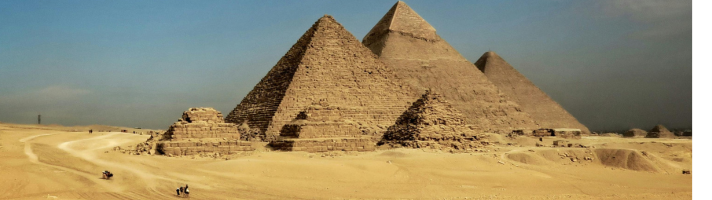
The Pyramids of Giza are the defining sight of any trip to Cairo. Built as royal tombs during ancient Egypt's Old Kingdom, the pyramids have endured for thousands of years and remain among the world's most recognisable historic monuments.
The Giza Plateau is home to three major pyramids associated with Khufu, Khafre and Menkaure. Nearby, the Great Sphinx adds another layer of mystery to this extraordinary archaeological landscape.
Make the most of your visit:
- Arrive early to avoid the strongest heat and some of the busiest periods.
- Wear comfortable walking shoes and carry water.
- Check official ticket options if you want to enter a pyramid rather than view it from outside.
- Agree on prices and arrangements before accepting optional camel or horse rides.
- Allow time to appreciate the wider plateau instead of stopping only for photographs.
The Pyramids of Giza are technically in the neighbouring city of Giza, but they are an essential part of almost every Cairo itinerary.
2. Discover the Grand Egyptian Museum
For travellers fascinated by ancient Egypt, the Grand Egyptian Museum is one of the major highlights to plan around.
Located near the Giza Plateau, the museum brings together extensive collections of ancient Egyptian artefacts in a modern setting. Its displays include the Tutankhamun galleries, monumental statues, the Grand Staircase and collections that explore the civilisation's art, beliefs and royal history.
Rather than simply looking at ancient objects, visitors can use the exhibits to understand how Egyptians lived, governed, worshipped and prepared for the afterlife.
Travel tip: Check the official museum website for current opening hours, available galleries and ticket availability before your visit. Booking ahead is sensible, particularly during busy travel periods.
3. Visit Al-Azhar Mosque and Discover Cairo's Islamic Heritage
Cairo's story is not limited to the Pharaohs. The city has also been a major centre of Islamic learning, architecture and culture for centuries.
Founded in the 10th century, Al-Azhar Mosque is closely associated with Al-Azhar University, one of the most influential institutions in Sunni Islamic scholarship. For many Pakistani Muslim visitors, this connection makes the site more than an architectural attraction: it offers an opportunity to connect with a long intellectual and religious tradition.
The mosque's courtyards, arches and architectural details provide a quieter counterpoint to the busy streets around it.
Visitors should check access arrangements and prayer times before going, dress modestly and follow any local guidance. To avoid any hassle, always go for guided trips.
4. Wander Through Khan el-Khalili Bazaar
If you want to experience Cairo's traditional shopping culture, make time for Khan el-Khalili.
This historic market is a maze of narrow lanes lined with shops selling metal lanterns, perfumes, spices, jewellery, textiles and souvenirs. The atmosphere is as much a part of the experience as the shopping itself: shopkeepers call out to passers-by, cafés fill with conversation, and the streets reveal details that are easy to miss when rushing through.
Explore slowly, compare prices before purchasing and ask permission before photographing people or shop interiors.
Nearby Al-Muizz Street is also worth visiting for its historic Islamic architecture and atmospheric streetscape.
Best for: Traditional souvenirs, photography, local cafés and an evening walk through historic Cairo.
5. Explore the Egyptian Museum in Tahrir Square
The Egyptian Museum in central Cairo remains an important stop for travellers interested in ancient Egyptian collections.
Its historic galleries provide a different experience from the Grand Egyptian Museum, with a long-established museum atmosphere and displays spanning several periods of Egyptian history.
If your schedule allows, compare the collections and current exhibitions at both museums before deciding how to divide your time. If you have only one day for ancient history, prioritise according to your interests and check which galleries are accessible during your visit.
6. Enjoy Panoramic Views from Saladin Citadel
The Saladin Citadel occupies an elevated position overlooking Cairo and offers a useful introduction to the city's medieval history.
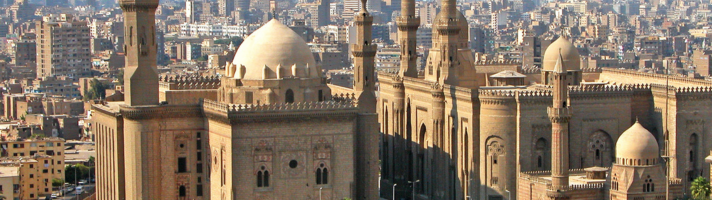
Within the complex, the Mosque of Muhammad Ali often called the Alabaster Mosque is especially recognisable for its Ottoman-inspired architecture, domes and minarets. The surrounding grounds provide views across Cairo that help reveal the scale of the city.
Set aside a few hours to explore the complex rather than treating it as a quick photo stop.
7. Take a Felucca Ride on the Nile
After busy streets and historic monuments, a ride on a traditional felucca can be a welcome change of pace.
These sailing boats offer a simple way to experience the Nile, particularly around sunset when the light softens and the city takes on a different atmosphere.
Before boarding, agree on the duration, price and departure point with the operator. Choose an arrangement that fits your schedule and weather conditions.
Cairo Halal Food Guide: What Pakistani Travellers Should Try
One of Cairo's biggest advantages for Muslim travellers is that halal food is widely available. Egyptian cuisine offers familiar ingredients and flavours alongside dishes that may be new to visitors from Pakistan.
Here are a few foods worth trying:
- Koshari: A filling Egyptian dish made with rice, lentils, pasta, chickpeas and a tangy tomato sauce.
- Ful medames: Slow-cooked fava beans, often served with bread and a selection of toppings.
- Ta'ameya: Egyptian-style falafel, traditionally made using fava beans.
- Kofta and kebabs: Grilled meat dishes served with bread, salads or rice.
- Shawarma: A popular street-food option that makes an easy meal while sightseeing.
- Om Ali: A traditional Egyptian dessert made with pastry, milk and other ingredients.
For a quick lunch, koshari and falafel can be convenient options. For a longer meal, look for Egyptian restaurants serving grilled meats, rice, salads and freshly baked bread.
Although halal food is widely available, travellers with specific dietary requirements should still confirm ingredients and preparation where necessary.
Best Time to Visit Cairo, Egypt
The best time to visit Cairo is generally during the cooler part of the year, particularly from October to April. Comfortable weather makes it easier to explore outdoor attractions such as the Pyramids of Giza, historic districts and open-air markets. But whenever you visit, always book your accommodation in advance.
October to November: A good choice for sightseeing as temperatures generally become more comfortable.
December to February: Cooler conditions can make walking tours pleasant, although evenings may be chilly.
March to April: Often a useful period for combining outdoor attractions with museum visits. Check forecasts for seasonal wind and dust.
May to September: Summer can be extremely hot, especially around exposed archaeological sites. Plan outdoor visits early in the day, drink water regularly and use indoor attractions during the hottest hours.
Travelling during Ramadan can offer a special cultural experience, with evening gatherings and iftar traditions. However, restaurant schedules, traffic patterns and attraction opening hours may change, so plan ahead.