Home
Home About Us
 Become a Subscriber

 Flight Booking
 Hotel Booking
 Trip Booking
 Visa Booking
 Booking History
 Blogs
Blogs
 Wishlist
 Support
 Log In



 16 Oct 2026
 0
0 Asma
Asma
Johannesburg Travel Guide: Things to Do, Local Culture, Food and Travel Tips
Some destinations draw you in with beaches. Others promise ancient monuments or dramatic mountain scenery. Johannesburg offers something different: a city of stories, where history, culture, food and adventure come together in unexpected ways.
Often called Joburg or Jozi, Johannesburg grew rapidly during South Africa's gold rush. Today, its neighbourhoods tell stories of ambition, migration, inequality, resilience and transformation. You can spend the morning exploring the country's difficult past at a museum, enjoy a plate of South African-Indian food in a lively neighbourhood, and plan a wildlife adventure just beyond the city.
For Pakistani travellers, Johannesburg has another appeal: established South Asian and Muslim communities, halal dining options and neighbourhoods where familiar flavours and cultural connections are easier to find.
This Johannesburg travel guide covers the experiences that make the city distinctive, including its historical landmarks, local food culture, nearby safari options, practical safety advice and essential planning tips for travelling from Pakistan. Before planning your trip, do not forget to check routes and compare fares from Lahore, Islamabad, and Karachi.
Before You Visit Johannesburg: South Africa Visa for Pakistani Travellers
Before planning your itinerary, check the visa requirements for your passport. Pakistani ordinary passport holders generally need a visa to visit South Africa, and travellers should not assume they can obtain one on arrival.
Start by confirming the current application process, required documents, fees and processing times through the relevant South African diplomatic mission or official government service.
Commonly requested documents for a visitor visa may include:
- A valid passport with the required validity and blank pages.
- Completed visa application forms and photographs.
- Evidence of sufficient funds for the trip.
- Accommodation details and a proposed itinerary.
- Flight reservations or travel plans, as required.
- Supporting documents explaining the purpose of your visit.
Requirements can vary according to the application route and individual circumstances. Treat this list as a preparation guide, not a substitute for the official checklist.
Travel tip: Apply with Mosafir for expert guidance and 24/7 support.
Why Johannesburg Is Worth Exploring
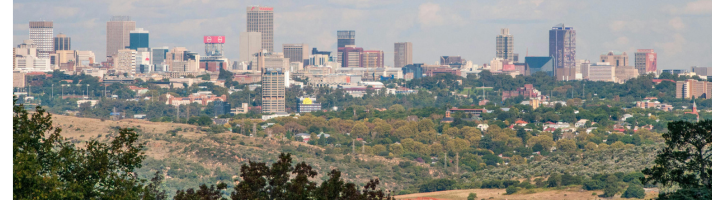
Johannesburg is often treated as a stopover before travellers head to Cape Town or a national park. However, the city deserves time of its own.
Here is what makes it worth exploring:
- History that matters: Museums and heritage sites explain apartheid, resistance and South Africa's transition to democracy.
- Neighbourhood culture: From the streets of Soweto to the food districts of Fordsburg and Lenasia, local communities shape the city's identity.
- A diverse food scene: South African, Indian, Pakistani and other international cuisines make dining part of the experience.
- Wildlife escapes: Game reserves and nature-focused destinations can be reached from Johannesburg with suitable planning.
- Urban experiences: Shopping districts, art spaces, entertainment venues and cafés offer a different side of South Africa.
The key is to plan by area. Johannesburg is spread out, and travelling between distant attractions can take longer than expected.
1. Visit the Apartheid Museum
To understand modern South Africa, begin with the Apartheid Museum.
Its exhibitions explore the system of racial segregation known as apartheid, the experiences of people who lived under it, the struggle against it and the country's transition towards democracy. Photographs, film, documents and personal stories make the visit a powerful introduction to South African history.
For visitors from Pakistan, the museum may prompt reflection on colonialism, discrimination, resistance and the long process of building a more equal society.
Plan your visit: Give yourself around two hours or longer if you want to engage closely with the exhibitions. Check current opening days and ticket information before travelling.
2. Explore Soweto with a Local Guide
Soweto is one of Johannesburg's most historically significant areas. Its name is associated with the country's urban history and, especially, the resistance movements that challenged apartheid.
A guided visit can help you understand the area's history and contemporary life rather than simply viewing it from a vehicle.
Places of interest include:
- Vilakazi Street: Known for its connection to Nelson Mandela and Archbishop Desmond Tutu.
- Mandela House: A museum preserving the former home of Nelson Mandela.
- Hector Pieterson Museum: Dedicated to the 1976 Soweto uprising and the young people affected by it.
- Local community spaces: Places to learn about daily life, food and the area's continuing cultural importance.
Choose a responsible local guide, follow their advice about photography and respect residents' privacy. Soweto is a living community, not simply a sightseeing attraction.
3. Experience Johannesburg's Gold-Rush History at Gold Reef City
Johannesburg's development is closely linked to gold mining. Gold Reef City brings part of that history to life through its gold-rush theme, heritage attractions and entertainment facilities.
It can be a good option for families or travellers who want to combine historical interest with a more relaxed day out. The nearby Apartheid Museum also makes it possible to plan a day focused on the area's history, provided opening hours and travel time work for your schedule.
Check the current attractions, ticket options and operating hours before visiting.
4. Discover Constitution Hill
Constitution Hill is a major heritage site associated with South Africa's journey from oppression to democracy. The precinct includes historic prison buildings and the Constitutional Court, connecting the country's past with its modern constitutional system.
A guided visit can help explain how the site evolved and why it remains important to South Africa's civic identity.
It is a useful addition for travellers who want to understand more than the country's headline attractions.
5. See Johannesburg from a Different Perspective
Johannesburg's appeal also lies in its contemporary city life. Depending on your interests, you can explore shopping districts, art galleries, cafés, markets and entertainment venues.
Rosebank and Sandton are useful areas to consider for shopping, dining and accommodation, while other neighbourhoods offer more local and independent experiences.
Rather than trying to cover the whole city in one day, choose a few nearby places and leave time to enjoy them properly.
Travel Tip: To have a hassle free experience, always go for guided activities.
Johannesburg Halal Food Guide: Familiar Flavours in a Different City
Food can make a new destination feel more welcoming, and Johannesburg has a diverse dining scene shaped by communities from across South Africa and beyond.
For Pakistani Muslim travellers, Fordsburg and Lenasia are especially useful areas to explore for South Asian food, halal dining and familiar ingredients.
Fordsburg: South Asian Food and Local Flavours
Fordsburg is known for its South Asian influences, restaurants, shops and food culture. Depending on where you go, you may find curries, biryani, grilled meats, snacks, sweets and other dishes familiar to Pakistani visitors.
The Oriental Plaza is another recognised shopping destination in the area, making it possible to combine browsing with a meal.
If halal certification is important to you, look for a recognised certification or ask the restaurant directly about its meat sourcing and food preparation. Do not assume every establishment has the same certification status.
Lenasia: A Community with South Asian Roots
Lenasia has a longstanding Indian and South Asian community and can be a worthwhile stop for travellers interested in local culture as well as food.
You may find South Asian restaurants, grocery shops and businesses that stock familiar ingredients. It is also an opportunity to see a different side of Johannesburg beyond the central business and tourist districts.
Plan your visit around the specific places you want to see, and check opening times in advance.
What Should You Try?
Depending on the restaurant, look out for:
- Bunny chow: A South African speciality consisting of curry served in a hollowed-out loaf of bread.
- Biryani: A rice dish with South Asian roots, available in different regional styles.
- Grilled kebabs and curries: Popular choices in many South Asian restaurants.
- Samoosas: Savoury filled pastries often enjoyed as snacks.
- Local South African dishes: Try regional favourites at reputable restaurants and ask about ingredients if you have dietary restrictions.
Johannesburg's food scene reflects its diversity. Exploring it is not just about finding familiar meals; it is also a way to discover how different communities have shaped the city.
Best Time to Visit Johannesburg
Johannesburg has a high-altitude climate, with warm summers and cooler, generally drier winters. The best time for your trip depends on whether you prioritise city sightseeing, outdoor excursions or wildlife viewing.
May to August: Winter is typically drier, with sunny days and cooler nights. It can be a good time for outdoor sightseeing and wildlife trips, but bring warm layers for early mornings and evenings.
September to November: Spring brings changing temperatures and opportunities for outdoor activities. Conditions can vary, so check the forecast before travelling.
December to February: Summer is generally warmer and often brings afternoon thunderstorms. Leave flexibility in your schedule for weather changes.
For a balanced first visit, choose dates that work for your preferred attractions and allow enough time for travel between them. But whenever you visit, always book your accommodation in advance to avoid last minute price surges.