Home
Home About Us
 Become a Subscriber

 Flight Booking
 Hotel Booking
 Trip Booking
 Visa Booking
 Booking History
 Blogs
Blogs
 Wishlist
 Support
 Log In



 07 Oct 2026
 0
0 Asma
Asma
Dublin Travel Guide: Things to Do, Best Places to Visit & Itinerary
Dublin is the kind of city that reveals itself slowly. One moment you are walking beside the River Liffey, the next you are inside a centuries-old library, listening to traditional Irish music, or discovering a remarkable collection of Islamic manuscripts.
Ireland's capital combines literary history, Georgian architecture, colourful streets, historic castles, lively neighbourhoods and some of the country's most famous attractions. The Guinness Storehouse and Temple Bar may be the obvious starting points, but Dublin becomes much more interesting when you look beyond the usual checklist.
For Pakistani travellers, there is another reason to plan carefully. Ireland is not part of the Schengen Area, so a Schengen visa does not automatically allow entry into the Republic of Ireland. A separate Irish visa is required, for which always choose a trusted and guaranteed results partner like Mosafir for your visa assistance.
From exploring Trinity College and the Book of Kells to finding halal food around Parnell Street and taking a day trip to the Cliffs of Moher, this Dublin travel guide covers what you need to know before your trip.
Why Visit Dublin?
Dublin combines the atmosphere of a historic European capital with the friendliness and energy Ireland is known for.
The city centre is compact and walkable, making it easy to combine several major attractions in a single day. Georgian buildings, colourful doors, historic churches and the River Liffey create a distinctive backdrop, while pubs, buskers and traditional music keep the city lively.
But Dublin's appeal goes beyond its famous drinking culture.
It is also the literary city of James Joyce, Oscar Wilde, Samuel Beckett and W.B. Yeats. It is home to centuries-old religious and political landmarks, enormous green spaces and collections of art and manuscripts from around the world.
And for Pakistani travellers, Dublin offers an increasingly accessible halal food scene and a few unexpected cultural connections worth discovering. Before booking your flight right away do not forget to compare routes form Islamabad, Lahore, and Karachi.
Trinity College & the Book of Kells
Trinity College is one of Dublin's most iconic landmarks, but the real highlight for many visitors is the Book of Kells.
Dating from around 800 AD, this illuminated medieval manuscript is displayed alongside the spectacular Old Library's Long Room.
The campus itself is also worth exploring, while the Book of Kells experience should ideally be booked in advance because timed entry is used.
Temple Bar
Temple Bar is probably the image most people associate with Dublin.
Its cobbled streets, colourful pubs and traditional Irish music make it an atmospheric place to experience the city. However, it is also one of Dublin's most tourist-heavy areas.
The best approach is to experience Temple Bar for its atmosphere rather than treating it as the only place to eat. Visiting during the daytime or early evening can also give you a more relaxed experience.
Dublin Castle & Chester Beatty Library
This is where Dublin's story takes an unexpected turn.
Dublin Castle reflects centuries of Irish political history, with its State Apartments and medieval Undercroft among the major highlights. But inside the castle grounds sits the Chester Beatty Library, an attraction that deserves far more attention from international visitors.
Its collections include Islamic manuscripts, East Asian art and biblical texts. For Muslim travellers, this can be one of the most unexpectedly meaningful stops in Dublin.
Rather than simply ticking off another historic building, visitors can see how Dublin's cultural history connects with the wider world. One travel tip, always go for guided tour for a hassle free experience.
Phoenix Park
Need a break from museums and city streets?
Head to Phoenix Park, one of Europe's largest urban parks.
The enormous green space includes walking and cycling routes, a wild deer herd, Dublin Zoo and several major monuments. Renting a bicycle is a practical way to experience more of the park.
St Stephen's Green & Grafton Street
These two attractions work naturally together.
St Stephen's Green provides a peaceful Victorian park in the middle of the city, while nearby Grafton Street brings shopping, street performers and plenty of energy.
Spend some time walking through the park before heading towards Grafton Street to experience Dublin's famous busking culture.
Ha'penny Bridge & the River Liffey
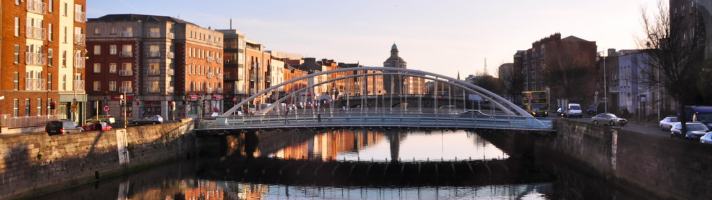
The Ha'penny Bridge is one of Dublin's most recognisable landmarks.
Built in 1816, the cast-iron pedestrian bridge crosses the River Liffey and is particularly photogenic around dusk when the city lights begin reflecting on the water.
It is also an easy stop to combine with a walking route through central Dublin.
Dublin's Unexpected Cultural Connection
One of the best ways to make your Dublin trip different from a standard tourist itinerary is to look beyond the city's most famous Irish attractions.
The Chester Beatty Library is a perfect example.
Its collection of Islamic manuscripts and art creates an unexpected cultural bridge between Dublin and the Muslim world. For Pakistani travellers, it can add a more personal dimension to a city otherwise known primarily for Irish history, literature and pub culture.
This is one of the places that makes Dublin feel less like a checklist and more like a city with layers.
Halal Food in Dublin
Finding halal food in Dublin is becoming easier as the city's Muslim and South Asian communities continue to grow.
Parnell Street and Moore Street in the north city centre are particularly useful areas for halal Pakistani and Middle Eastern food. Blanchardstown and Tallaght also have halal options.
For Pakistani travellers, this means you can combine sightseeing with familiar flavours without spending your entire trip searching for suitable food.
Best Time to Visit Dublin
Your ideal travel season depends on what you want from Dublin but whenever you visit, always book your hotel in advance to avoid last minute price surges.
May to August
These months offer the warmest weather, longer days and plenty of outdoor activity. June and July are generally among the drier months.
March – St Patrick's Day
If you want to experience Dublin at its most festive, March is the obvious choice.
St Patrick's Day on 17 March brings major celebrations and attracts visitors from around the world. Accommodation should be booked well in advance.
December
Dublin takes on a different personality during the Christmas season, with festive lights, markets and seasonal events.
January & February
These are generally colder and wetter months, so they are less suitable if outdoor sightseeing is a major priority.
Getting Around Dublin
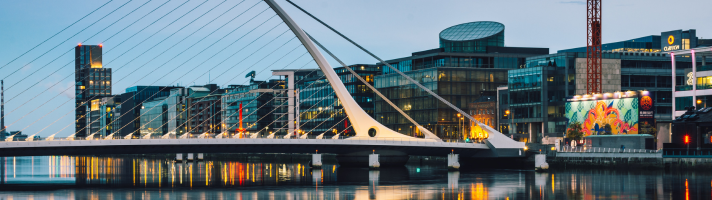
Dublin is relatively easy to explore without a car.
The city centre is compact, and many major attractions are within walking distance of one another.
For public transport, a Leap Card can be used across Dublin Bus, DART and Luas services. The Airlink 747 provides an airport-to-city connection.
The currency is the Euro (€), and cards are widely accepted.