Home
Home About Us
 Become a Subscriber

 Flight Booking
 Hotel Booking
 Trip Booking
 Visa Booking
 Booking History
 Blogs
Blogs
 Wishlist
 Support
 Log In



 16 Sep 2026
 0
0 Asma
Asma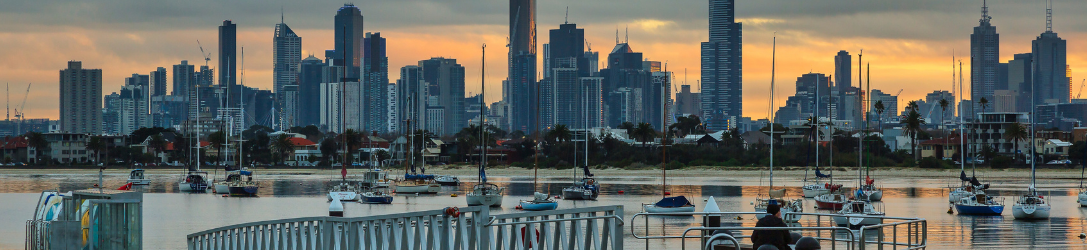
Melbourne Travel Guide: Top Things to Do and Best Time to Visit
Melbourne is not the kind of city you understand by ticking attractions off a list.
You discover it one street at a time.
A colourful laneway leads to a tiny café. A Victorian building opens into a modern art space. A tram takes you from the centre of the city to a beach. One neighbourhood feels distinctly European, another has a bohemian personality, and somewhere else you'll find Pakistani, Turkish and Middle Eastern food that tastes much closer to home.
Then, when you think you've figured Melbourne out, the city gives you another reason to explore with the Great Ocean Road, Twelve Apostles and Phillip Island all within reach.
That combination is what makes Melbourne different.
This Melbourne travel guide covers the best places to visit in Melbourne, things to do, the best time to go, a 3-day and 5-day itinerary, halal food options, Australia visa information for Pakistani travellers and practical tips for getting around. One tip before we even start, always compare flight fares from Lahore, Karachi, and Islamabad.
Why Melbourne Is a City You Explore, Not Just Visit
Melbourne's biggest attraction is arguably its personality.
Its famous laneways are covered in constantly changing street art. Its cafés have made coffee culture part of everyday life. Its neighbourhoods each have their own identity, from Fitzroy's creative atmosphere to Carlton's Italian influence and St Kilda's relaxed beachside character.
The city also works as a base for experiences beyond the CBD.
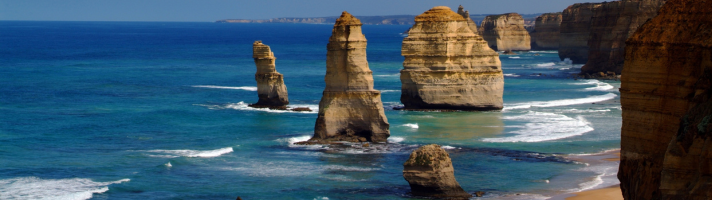
A full day can take you along the Great Ocean Road to the Twelve Apostles. Another can take you to Phillip Island to watch little penguins return to shore.
And for Pakistani travellers, Melbourne has another familiar side.
Coburg, Broadmeadows and Dandenong have significant South Asian and Muslim communities, with halal restaurants, Pakistani food and grocery stores making it easier to find familiar flavours while exploring Australia.
Let's explore what to do in Melbourne:
Hosier Lane
Start your Melbourne experience somewhere that doesn't feel like a conventional tourist attraction.
Hosier Lane is a constantly changing outdoor gallery, with walls covered in colourful street art and murals.
The best part is that there is no fixed route. Walk slowly, look up and around, and let the laneway reveal itself.
Once you've explored Hosier Lane, continue through Melbourne's other famous laneways, including Degraves Street and AC/DC Lane.
For first-time visitors, this is one of the easiest ways to understand why Melbourne has such a distinctive identity.
Federation Square and Flinders Street Station
Two of Melbourne's most recognisable landmarks sit right in the heart of the city.
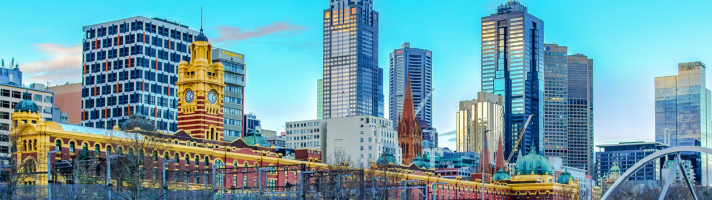
Federation Square is a major cultural meeting point, while Flinders Street Station with its distinctive yellow façade and clock-filled entrance is one of Melbourne's most photographed buildings.
From here, the Yarra River and several central attractions are within easy walking distance.
It's also an excellent starting point for exploring Melbourne on foot.
Queen Victoria Market
If Melbourne's laneways show its creative side, Queen Victoria Market shows its everyday side.
The historic market is filled with fresh produce, deli products, clothing and street food.
Come in the morning to explore the stalls, grab something to eat and experience one of Melbourne's longest-running institutions.
During selected periods, evening markets also add a completely different atmosphere.
National Gallery of Victoria
Art lovers should make time for the National Gallery of Victoria, better known as NGV.
Its permanent collection includes works from around the world, while major temporary exhibitions bring large-scale cultural experiences to the city.
The permanent collection offers a particularly useful bonus for travellers watching their budget: the main collection at NGV International is free to enter, while some special exhibitions require tickets.
Royal Botanic Gardens
Sometimes the best thing to do in a busy city is nothing particularly complicated.
Walk.
The Royal Botanic Gardens stretch along the Yarra River and provide a peaceful contrast to Melbourne's busy streets.
Take a slow walk, enjoy the gardens or plan a picnic. It is an easy addition to a Melbourne itinerary and a good way to break up a day of sightseeing.
A travel tip worth remembering, always go for guided tours to avoid any hassle.
St Kilda Beach and Luna Park
Melbourne has a beachside personality too.
Head to St Kilda for the waterfront, a walk along the pier and the colourful Luna Park amusement park.
Acland Street is nearby, offering cafés and cake shops when you need a break.
Come around sunset for a more relaxed experience and enjoy the transition from daytime beach atmosphere to evening city lights.
Great Ocean Road
One of the biggest reasons to extend your Melbourne trip beyond the city is the Great Ocean Road.
The spectacular coastal route leads towards the famous Twelve Apostles, where towering limestone formations rise dramatically from the Southern Ocean.
It deserves an entire day rather than being squeezed into a few hours.
You can choose between a guided day tour or a self-drive experience. A tour is simpler if you don't want to drive, while self-driving gives you more freedom to stop along the coast.
Either way, this is one of the most memorable experiences you can add to a Melbourne itinerary.
Australia Tourist Visa for Pakistani Travellers
If you're travelling from Pakistan, visa planning should happen before you finalise your Melbourne holiday.
Pakistani passport holders need to check the applicable Australian visitor visa requirements, including the Visitor visa (subclass 600) where applicable.
Applications are made online through Australia's immigration system, and applicants may need to provide financial, employment and personal documentation along with evidence supporting their temporary visit.
Visa requirements and processing arrangements can change, so always check the latest official Australian requirements before applying.
For travellers planning both Melbourne and Sydney, the Australia visa planning can be handled as part of the same Australia trip rather than treating the cities as separate journeys.
If you want hassle free experience and better acceptance change, let Mosafir Visa experts handle your documentation and file preparation.
Best Time to Visit Melbourne
Melbourne is famous for weather that can change quickly, so packing layers is useful regardless of the season.
March to May
Autumn offers a comfortable balance of weather, sightseeing and cultural events.
It is also a strong period for food and arts events.
June to August
Winter is cooler and can be rainy, but it is a good time for museums, galleries, cafés and indoor attractions.
September to November
Spring brings blooming gardens, outdoor activities and a busy events calendar.
December to February
Summer is the obvious choice if beaches and outdoor experiences are your priority, although Melbourne's weather can still be unpredictable.
Visit for a Major Event
Melbourne's event calendar can also shape the ideal time for your trip.
- January brings the Australian Open.
- March brings major food and cultural events, alongside the Australian Grand Prix period.
- November is associated with the Melbourne Cup and its city-wide atmosphere.
But whenever you visit always have your accommodation sorted beforehand.
Getting Around Melbourne
Melbourne is one of Australia's easiest cities to explore without a car.
The tram network connects many central neighbourhoods, while trains and buses extend your reach beyond the CBD.
A myki card can be used across Melbourne's public transport network, while the Free Tram Zone makes travelling around the central city particularly convenient.
For day trips such as the Great Ocean Road and Phillip Island, however, you'll need to consider a guided tour, rental car or other transport option.
Ride-hailing services and taxis are also widely available.